FFL Transfer Fees: What to Expect and Why You Pay Them
By AGO
August 25, 2026
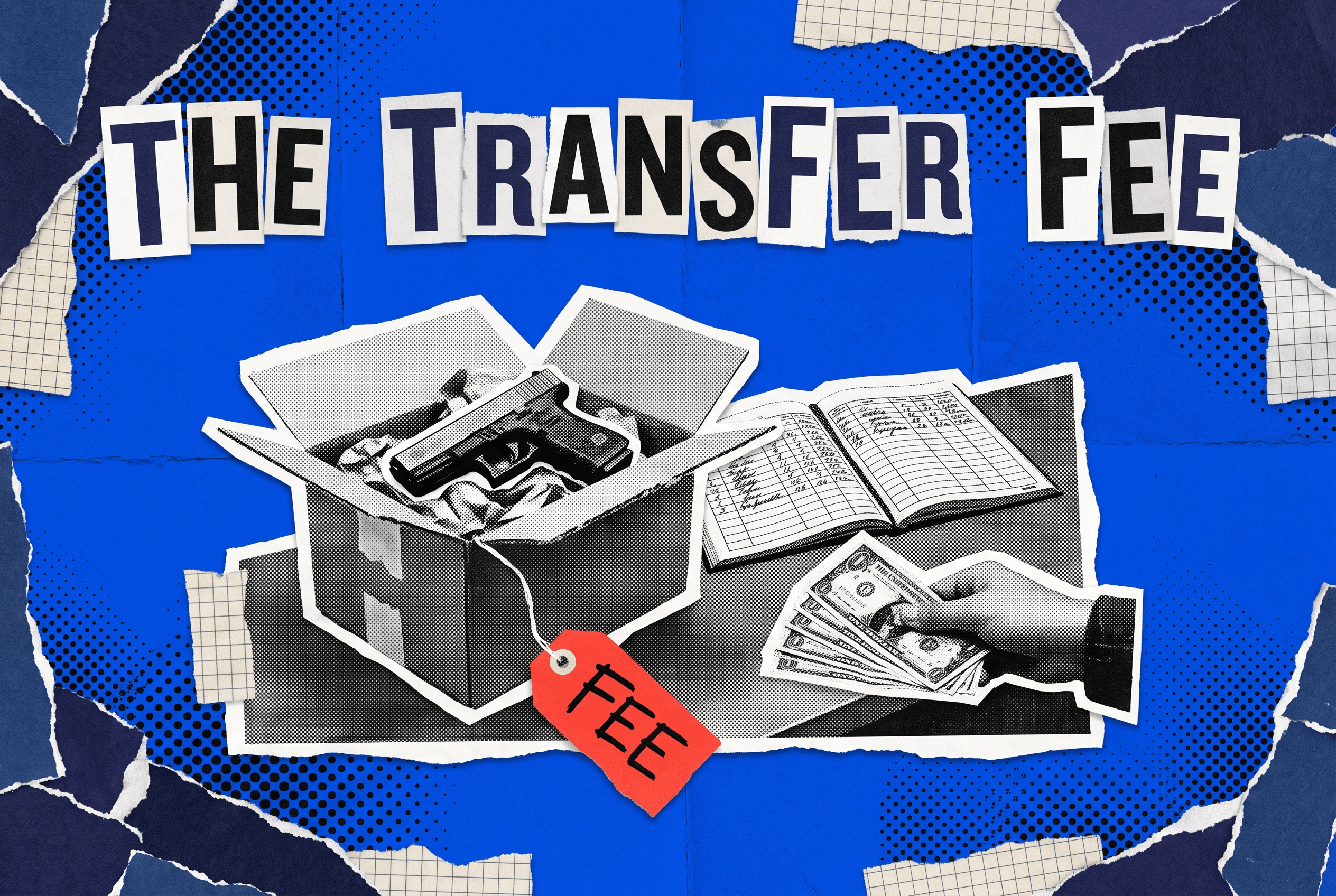
An FFL transfer fee is what a licensed dealer charges to receive a firearm shipped from another seller, run your background check, handle the paperwork, and legally hand it to you. It pays for a real block of regulated work, not a markup on the gun.
A transfer fee you did not expect on an online gun purchase catches a lot of first-time buyers off guard. The fee is a normal part of buying from anywhere other than a local shop's own shelves, and it is easy to understand once you see what it covers.
This guide explains the fee and when it applies. If the whole dealer step is new to you, our guide to what an FFL dealer is covers the basics first.
Key takeaways
-
An FFL transfer fee pays a licensed dealer to receive a shipped firearm, run your background check, and complete the federal paperwork.
-
You pay it on online and out-of-state purchases, since those ship to a local dealer for pickup, not when you buy from a local shop's own inventory.
-
Fees vary by dealer type, your state's added steps, and how busy the dealer is, which is why quotes differ from shop to shop.
-
The transfer process itself is the same regardless of the fee: Form 4473, a NICS background check, and in-person pickup.
-
New to all of this? American Gun Owners coordinates the FFL transfer for every kit, so the dealer step is arranged and clear from the start, while the receiving dealer still sets their own transfer fee.
What is an FFL transfer fee?
An FFL transfer fee is the charge a licensed dealer applies to receive a firearm you bought elsewhere and complete the legal transfer to you. When a gun ships from an online retailer or an out-of-state seller, it cannot go to your door. It goes to a dealer near you, who logs it in, runs your background check, and releases it once everything clears.
The fee covers that work and the responsibility the dealer takes on for a gun they did not sell. It is separate from the price of the firearm, and it is the same idea whether you bought new or used, online or across state lines. Think of it as paying for the licensed handoff, not for the gun.
What the fee covers and why it varies
An FFL transfer fee covers receiving and logging the firearm, verifying your identity, running the background check, and storing the gun until pickup. Those steps are set by federal rules, while the price for doing them is set by the dealer. The table below shows what you are paying for on the left and what moves the price on the right.
| What the fee covers | Why it varies |
|---|---|
| Receiving the gun and logging it into the dealer's federally required record by the next business day | Dealer type: a full retail shop carries more overhead than a low-volume home-based dealer |
| Verifying your ID and walking you through ATF Form 4473 in person | State layer: some states add their own registration step or waiting period the dealer must handle |
| Running your NICS background check, including managing a delayed result | Item complexity: a single long gun is less handling than a handgun or a multi-gun shipment |
| Storing the firearm securely between arrival and pickup | Local supply and demand: areas with fewer receiving dealers price differently |
| The dealer's time and the liability of handling a gun they did not sell | Volume and relationship: many dealers charge less for customers who also buy in-store |
Because the price side is up to each dealer, transfer fees land in a low, typical, or higher tier depending on the shop and your state. Calling two or three local dealers is the simplest way to compare, and it is a normal thing to ask about up front.
When do you pay an FFL transfer fee?
You pay an FFL transfer fee when a firearm ships to a dealer for you, which happens with online and out-of-state purchases. In those cases, a second, receiving dealer completes your paperwork and background check, so there is real work to charge for. It is a predictable part of buying a gun from anywhere other than a local shop's own inventory.
You usually do not pay a separate transfer fee when you buy in person from a local dealer's own stock. That dealer is already the seller, so the background check and paperwork are part of the sale itself. There is no second dealer in the loop, so nothing extra to charge. Our guide to buying a gun online walks through where the fee fits in that flow.
Why do FFL transfer fees vary so much?
FFL transfer fees vary because each dealer sets its own price for the same federally defined work, based on overhead, location, and how they run their business. A full-service gun shop with staff and a storefront prices differently than a home-based dealer running transfers as a side service. Neither is wrong, they just carry different costs.
Your state adds the other big variable. Where a state layers on extra paperwork or a waiting period, the dealer has more to handle, which can move the fee into a higher tier. Multi-gun shipments and certain item types add steps too. Knowing these factors means a higher quote in one shop is not a surprise, just a reflection of the work involved. It is completely normal to ask a dealer about the transfer fee before you commit, the same way you would ask about any service. A quick phone call to confirm that they accept transfers, what they charge, and how they want the shipment to arrive saves any awkwardness at pickup. Dealers handle these requests constantly, so there is nothing unusual about asking up front, and doing so lets you compare a couple of shops before you buy.
What the dealer actually does for the fee
For the fee, the dealer receives your firearm, logs it into a federally required record, has you complete ATF Form 4473, and runs your NICS background check before releasing the gun. The recordkeeping rules come from the ATF, and the background check runs through the FBI, so neither step is optional. The dealer also stores the gun securely from the day it arrives until you pick it up in person.
A couple of details are worth knowing. The dealer must log the firearm into their record by the next business day, and a NICS check stays valid for a set window, so a long gap before pickup can mean a fresh check. If a result comes back delayed, the dealer manages that too. Our walkthrough of ATF Form 4473 explains the form you will fill out.
How to keep the transfer smooth
You keep a transfer smooth by picking your receiving dealer before you buy, confirming the fee, and bringing a current photo ID for pickup. Many online sellers list partner dealers, or you can call a local shop to confirm they accept transfers and what they charge. Sorting this out first means the gun arrives at a dealer you have already chosen.
Timing helps too. Plan to complete the pickup within the window your dealer gives you, since a long delay can require rerunning the background check. Bring a valid, unexpired ID that matches your paperwork, and the in-person step is usually quick. A little coordination up front turns the transfer into a simple final stop rather than a surprise.
How AGO coordinates the transfer for your purchase
American Gun Owners coordinates the FFL transfer for every kit, so the dealer step is arranged rather than left for you to figure out. Instead of hunting for a receiving dealer on your own, you get a clear path from purchase to pickup, and you still pay the receiving dealer's transfer fee at the counter. That is part of the whole point: removing the parts of buying a first gun that make people stall.
The transfer is a normal, understandable step once someone maps it for you. You can see what comes in an all-in-one kit or start with the Find My Gun Kit quiz to see how the pickup is handled.
Frequently Asked Questions
What is a typical FFL transfer fee?
Transfer fees fall into a low, typical, or higher tier depending on the dealer and your state, rather than a single set amount. A low tier is common at a home-based dealer with little overhead, while a full retail shop or a state with extra paperwork lands higher. Calling two or three local dealers is the easiest way to compare.
Do you have to use an FFL to transfer a gun?
For a firearm shipped from an online or out-of-state seller, yes, it must go through a licensed dealer who runs your background check before you take it. Federal law requires that step. Some private, in-state sales are handled differently depending on your state, so confirm what your state requires for a private transfer.
Can an FFL refuse a transfer?
Yes, a dealer can decline to accept a transfer, since providing the service is up to each business. Some only accept transfers from certain sellers, cap how many they handle, or limit the service during busy periods. This is why it helps to confirm a receiving dealer accepts your transfer before you buy.
Do you pay a transfer fee when buying in a local store?
Usually not, because a local dealer selling from its own inventory is already the seller and completes the paperwork and background check as part of the sale. A separate transfer fee applies when a second, receiving dealer handles a gun shipped in for you. In-store purchases from local stock skip that second step.
How long does an FFL transfer take?
The in-person pickup is usually quick once the firearm has arrived and you complete the form and background check, often well under an hour. Most background checks clear in minutes, though a delayed result can take up to three business days. The bigger variable is shipping time for the gun to reach your dealer.
No surprises at pickup
An FFL transfer fee is simply the cost of a licensed dealer receiving your gun and completing the paperwork, and it only applies when a firearm ships to a dealer for you. Pick your receiving dealer first, confirm the fee, and bring a current ID, and the pickup is an easy final step. When you want the whole transfer arranged for you, the Find My Gun Kit quiz is here.
Sources
-
Bureau of Alcohol, Tobacco, Firearms and Explosives, FFL Quick Reference and Best Practices Guide: atf.gov
-
Federal Bureau of Investigation, About NICS: fbi.gov
Related
"We strive to provide accurate, up-to-date information to help first-time firearm owners make informed decisions. Because laws and regulations vary and may change, always verify the requirements that apply to your location and follow safe firearm handling practices."